If your basement feels damp, smells musty, or shows signs of moisture, a vapor barrier might be part of the solution. At Anchored Walls, we’ve helped homeowners across the region protect their homes from the long-term damage moisture can cause. Here's what a vapor barrier does, how it works, and why it might be worth considering for your home.
Simply put, a vapor barrier is a material that helps block moisture in the form of water vapor from passing through your basement walls. It doesn’t stop liquid water like a sump pump or drainage system would—but it does help prevent that humid, sticky feel that basements can develop over time.
You might also hear the term vapor retarder. While these are similar, they’re not the same:
Some materials can do both. Anchored Walls’ proprietary Interior Encapsulation system acts as both a vapor and moisture barrier, offering more complete protection for your basement walls. This dual-layer defense helps ensure a dry, healthy basement environment no matter the conditions outside.
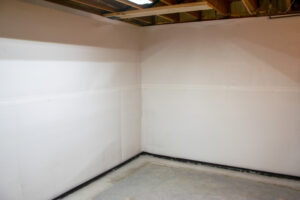
Vapor barriers come in a variety of materials—plastic sheeting, foil, and spray foam are some of the most common. Their main job is to slow or stop vapor transmission through the walls. When installed correctly, they help keep your basement dry, healthier, and more energy-efficient.
Vapor barriers are rated by permeability, measured in “perms.” The lower the perm rating, the more effective the material is at blocking vapor.
Here’s a quick breakdown:
Even if your basement doesn’t have visible water issues, it’s still prone to moisture problems. Here’s why:
Left unchecked, that excess moisture can lead to:
High humidity and organic materials (like wood or drywall) are a mold’s favorite combination. By lowering moisture levels, a vapor barrier helps prevent mold growth—protecting your health and your home’s value
Moisture may not seem urgent, but over time it can lead to deterioration of concrete walls, insulation, and wooden framing. A vapor barrier is one line of defense against this kind of hidden damage.
Did you know damp air takes more energy to heat? If your basement is humid, your HVAC system has to work harder to keep your whole home comfortable. Reducing vapor can help cut energy costs.
Even if you’re just using your basement for storage, a dry, odor-free environment makes a big difference. If you're finishing your basement, a vapor barrier is an essential first step.
Damp, dark basements are naturally attractive to pests like spiders, centipedes, silverfish, and even small critters like mice. While a vapor barrier isn’t a full pest control solution, it plays an important role in making the space less welcoming. By reducing moisture and sealing off access points along the wall, it helps discourage pests from settling in.
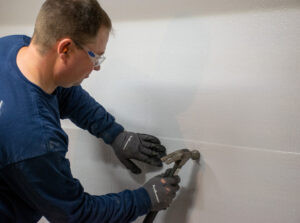
If you're handy, you might be able to install a wall vapor barrier yourself. Here's a general overview:
For floor vapor barriers, it’s best to call the pros—it’s a much more complex process.
While it’s possible to install a vapor barrier yourself, here’s why many homeowners trust a professional team like Anchored Walls:
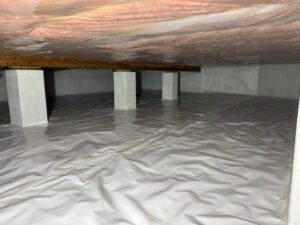
Vapor barriers aren’t just for basements—they’re just as important in crawl spaces. In fact, crawl spaces are often more vulnerable to ground moisture due to their open soil floors and limited ventilation.
At Anchored Walls, we install high-performance wall and floor vapor barriers in crawl spaces to help:
If your crawl space is damp or musty, or if you're noticing uneven floors or moldy smells upstairs, it might be time to seal and protect it. Our team will fully encapsulate the area, integrating a vapor barrier with drainage and dehumidification as needed.
A clean, sealed crawl space means a healthier home from the ground up.
A vapor barrier alone won’t solve all basement water problems—but it’s a key component of a healthy, dry basement. When paired with an interior drain tile system or sump pump, it helps protect your home from moisture, mold, and long-term damage.
If you’re noticing signs of basement or crawl space humidity, Anchored Walls is here to help.
Our experienced team can assess your home and recommend the right solution—whether that’s a vapor barrier, drainage system, or full waterproofing plan. Schedule your free estimate today.
A musty crawl space is likely caused from moisture, leaks or humidity problems. However, crawl space odors can also be caused from improper construction or even nature itself. Decaying material is very common in crawl spaces. Whatever the cause of your family's crawl space odors, Anchored Walls is ready to help.
Finding the cause of musty crawl space odor is not enough to ensure the area is free of future problems. However, when a crawl space is properly encapsulated, all external moisture issues are gone for good. The traditional crawl space vents are closed off completely to exterior climate and elements. A vapor barrier is used to seal off the ground moisture. A sealed off crawl space is also a big energy saver and works to insulate your home.
Older foundations were built differently than the foundations found on newer homes in Iowa, which can lead to some house-settling problems. Our foundation repair company can perform an inspection and evaluate the crawl space damage caused by your home settling.
A foundation wall that has started to settle or shift will require the need of our foundation repair services. The contractor will probably need to shore up the house framing above the repair area, while the soil is stabilized and wall sections are rebuilt. In some cases, it may be required to replace a portion of stone or brick foundation with poured concrete. Our foundation repair contractor will discuss the pros and cons of each foundation repair procedure we offer.

In the majority of homes, the floor joists of the first floor that rest on top of the foundation walls are also supported by a post and beam-style of framework, which extends down to the center of your home's crawl space. In older homes, these posts may have rotted, or they may not have adequate footings. This causes your home to settle differently. Our crawl space repair company can either work to reinforce the original post and beam assembly or replace it with new and properly sized footings.
Many homeowners overlook their windows, doors and vents as a potential entrance for moisture. By properly sealing off windows, doors and vents, you can help prevent cold air, moisture and humidity from making its way into your crawl space. With the proper crawl space encapsulation process from Anchored Walls, your crawl space will have its moisture levels reduced, along with your energy bills.

Once the moisture, water and excess humidity is eliminated from your crawl space, you won't have to worry about the growth of mold and mildew. You also won't have to worry about damage to the structural integrity of your home due to excess moisture.
A crawl space vapor barrier can be installed to help with the elimination of crawl space moisture. A crawl space vapor barrier is designed to block out water from getting through your crawl space concrete walls or floor.
Many dehumidifiers for crawl spaces are inefficient. Most crawl-space dehumidifiers are not powerful enough and their collection trays are insufficient. Our crawl space repair company provides powerful dehumidifiers that remove high levels of humidity in your crawl space.


By submitting this form and signing up for texts, you consent to receive text messages from Anchored Walls at the number provided, including messages sent by auto dialer. These may include messages related to estimates, project updates, appointment scheduling, and promotional offers. Consent is not a condition of purchase. Msg & data rates may apply. Msg frequency varies. Unsubscribe at any time by replying STOP or clicking the unsubscribe link (where available) and no further messages will be sent. Reply HELP for help. Information will not be shared with third parties for marketing or promotional purposes. Privacy Policy

