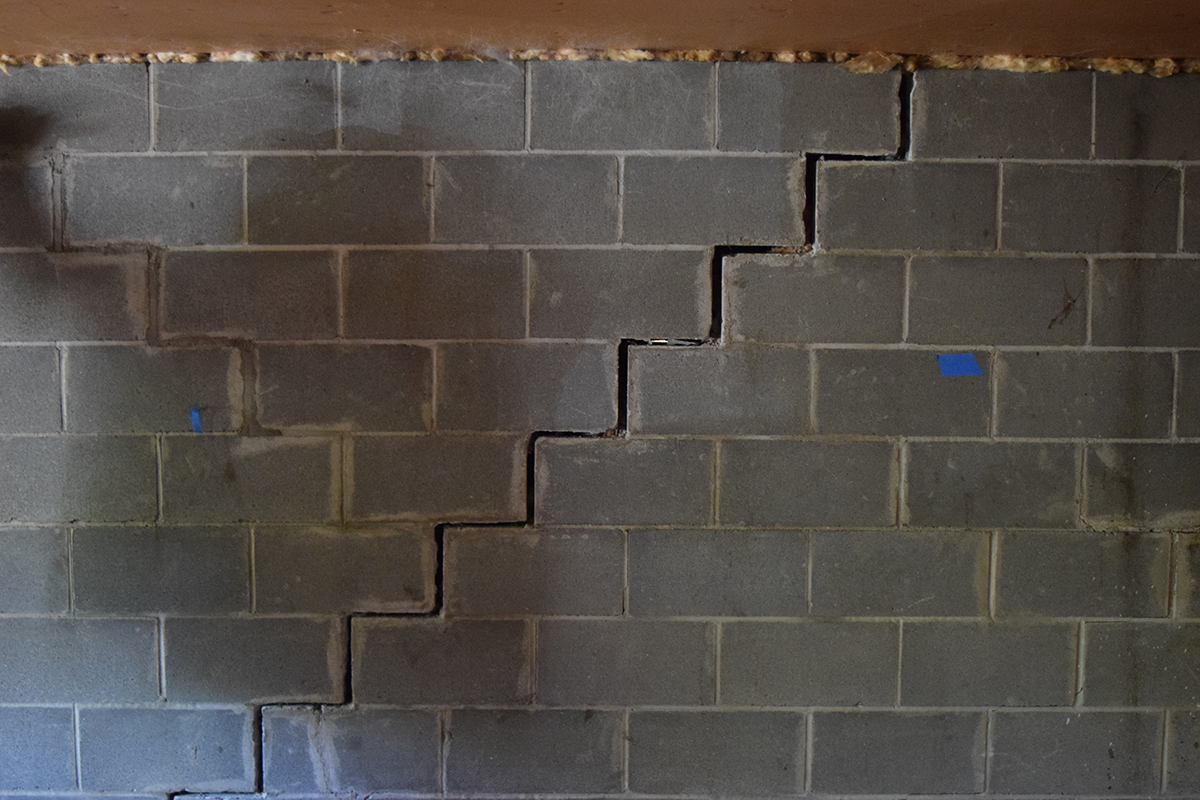
Horizontal cracks, bowing, stair-step cracking, a gap at the wall-floor joint, and water seeping through the wall face are the five signs your basement wall is under stress and needs a professional inspection.
5 Signs Your Basement Wall Is Under Stress Right Now
Basement walls take a beating from the outside. Soil expands when it absorbs water, contracts when it dries out, and freezes and shifts every winter. That cycle repeats for decades, and the wall absorbs the load each time. Poured concrete and block walls are built to handle it, but they have limits. When those limits get tested, the wall starts showing it in specific, recognizable ways. Some of these signs get written off as cosmetic. Most of them aren't.
Horizontal cracks are the most urgent thing you can find on a basement wall. They run perpendicular to the wall height, usually through the middle third, and they mean the wall is being pushed inward by lateral soil pressure. In a block wall the crack typically follows the mortar joint. In poured concrete it cuts straight across. Either way, the wall isn't just cracked, it's bending.
This pattern gets worse after wet seasons when saturated soil gets heavier and expands against the wall. A crack that's a thin line in October can be noticeably wider by April. The wall won't stabilize on its own once this process starts. Depending on how far the wall has already moved, wall anchors or carbon fiber straps are the repair options most commonly used to stop further movement and hold the wall in place.
Bowing is one of the more unsettling things to find in a basement because the wall looks structurally wrong in a way that's hard to ignore. It happens when soil pressure builds gradually and the wall deflects inward over time. Block walls are especially prone to it because the mortar joints between courses act as flex points, so the wall bends before it fractures. In poured concrete it's less common but does occur, particularly in older walls.
How far the wall has moved off plumb determines what repair is possible. A wall that has bowed more than two inches is past the threshold where wall anchors or carbon fiber straps are sufficient on their own. At that point the Waler Steel Beam System is typically what's needed, providing rigid internal bracing that stops further movement. A professional inspection is the only way to know which side of that line your wall is on.
In block and brick foundation walls, stair-step cracks follow a diagonal pattern that traces along the mortar joints, one course horizontal, then one course vertical, stepping across the wall face. They're caused by differential settlement, meaning one section of the foundation is moving more than the section next to it. That uneven movement puts shear stress on the mortar joints, and they fail along the path of least resistance.
Not every stair-step crack is an emergency. Some are the result of old, minor settlement that stabilized years ago. The way to tell the difference is whether the crack is active. A crack that has stayed the same width for a year or more is likely stable. One that's visibly wider than it was last season, or that has started letting water through, is still moving. Active stair-step cracking paired with any inward lean of the affected wall section means soil movement or foundation settlement is ongoing and needs to be evaluated.
A gap where the basement wall meets the floor slab can start as a thin line that looks like normal concrete shrinkage and widen slowly enough that it never triggers alarm. But a gap in that location is specific about what it's telling you. When soil beneath the footing shifts or erodes, the footing can drop relative to the wall above it. When soil outside pushes hard enough, the wall can rotate slightly away from the floor. Either way, the joint separates.
Water coming through that gap is nearly guaranteed once it opens past a certain width. The wall-floor joint is one of the most common water entry points in any basement, and when the gap is the result of wall movement rather than simple concrete shrinkage, waterproofing alone won't fix it. The structural problem has to be addressed first or the water will keep finding its way in regardless of what's done on the interior.
Water that comes through the face of the wall itself is different from water that backs up through the floor or seeps along the wall-floor joint. When you see damp patches on the wall surface, white mineral deposits, or water actually running down the face, it often means the wall has developed cracks or voids under pressure. Those openings are letting groundwater migrate through the wall assembly rather than around it.
A basement wall that was dry for years and is now consistently wet may not have a drainage problem. It may have a structural one. Stress cracks create the pathways, and the water follows them. That distinction matters because interior waterproofing systems are designed to manage water after it enters, which works well for moisture coming through a sound wall. When the source is stress fractures, addressing the wall itself is part of the repair. Anchored Walls' foundation repair services are built to handle both sides of that problem together.
These signs show up gradually, and that's exactly what makes them easy to put off. A crack gets noted and forgotten. A damp patch gets blamed on a wet week. By the time the wall is visibly failing, the repair is significantly more involved than it would have been a year or two earlier. Soil pressure doesn't pause while you're deciding whether it's serious enough to call someone.If any of these signs are showing up in your basement, a professional inspection is the right next step. Schedule a free inspection with Anchored Walls and get a clear picture of what's happening before it gets worse.
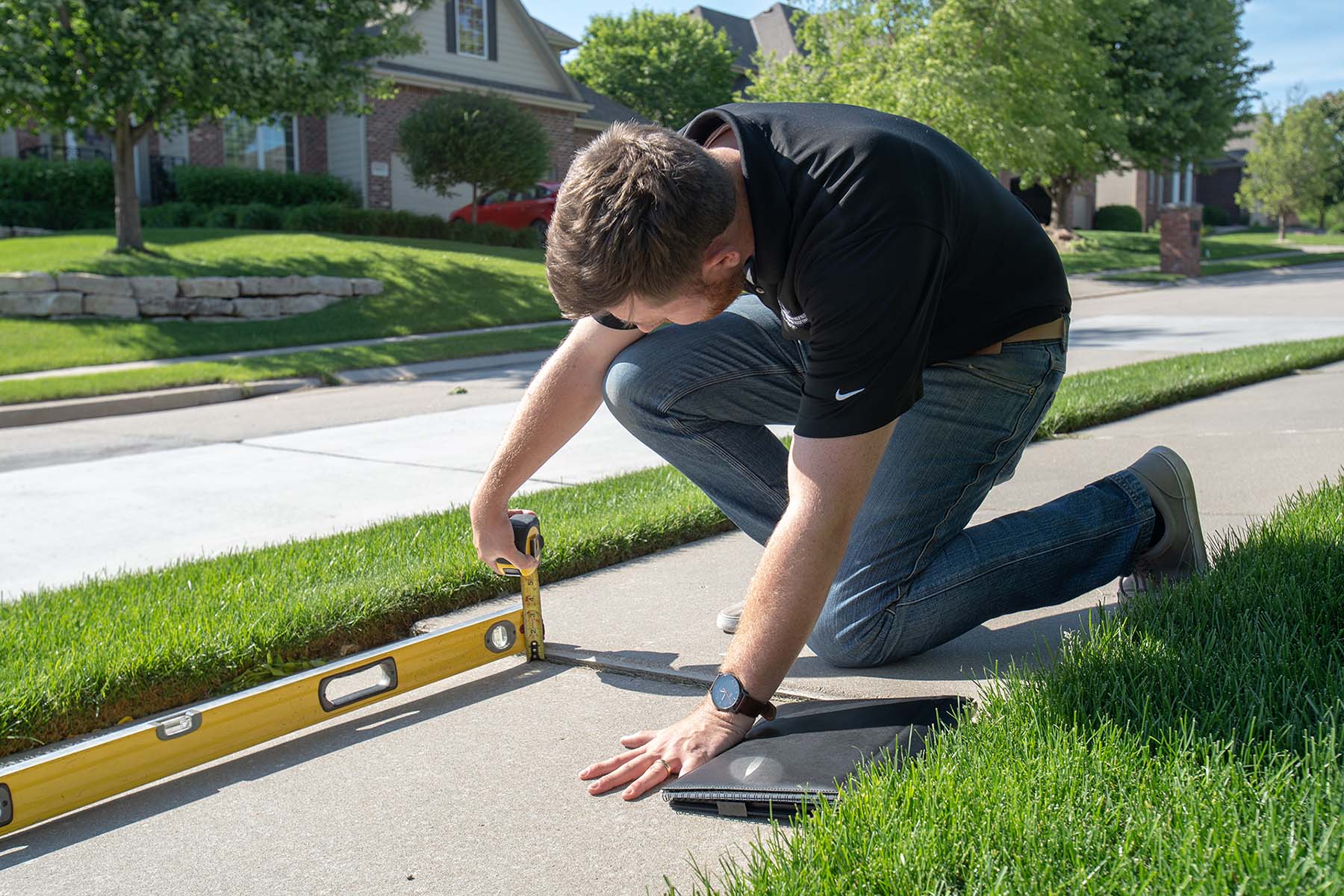


By submitting this form and signing up for texts, you consent to receive text messages from Anchored Walls at the number provided, including messages sent by auto dialer. These may include messages related to estimates, project updates, appointment scheduling, and promotional offers. Consent is not a condition of purchase. Msg & data rates may apply. Msg frequency varies. Unsubscribe at any time by replying STOP or clicking the unsubscribe link (where available) and no further messages will be sent. Reply HELP for help. Information will not be shared with third parties for marketing or promotional purposes. Privacy Policy

