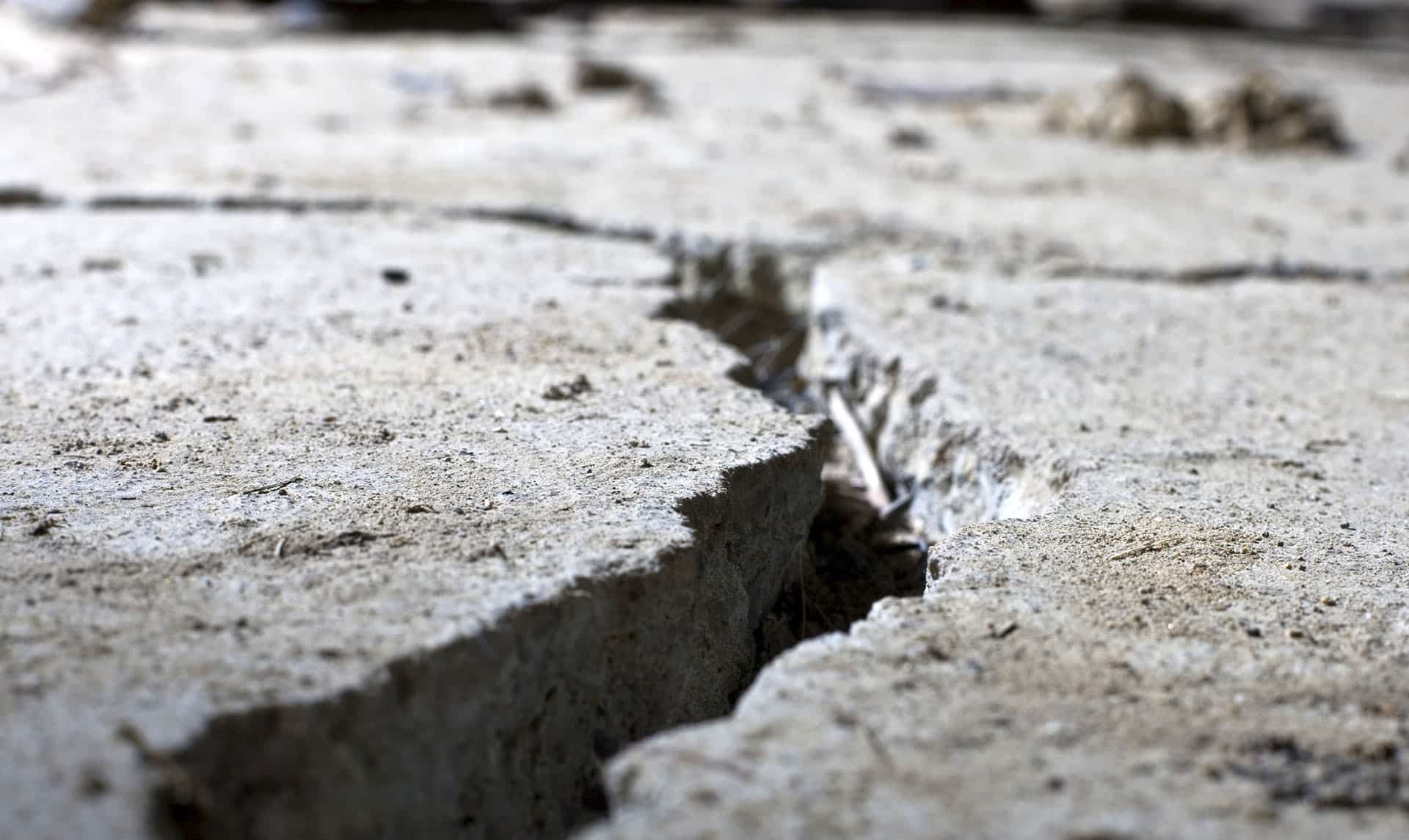
Iowa winters are not gentle. By the time March arrives, your driveway, sidewalk, and patio have been through months of freezing temperatures, snowmelt, and repeated freeze-thaw cycles that most homeowners never think twice about. But the ground underneath your concrete has been working against it all season long, and the evidence tends to show up right when the weather finally breaks.
Temperature swings define Iowa's winters. A warm afternoon in January can send meltwater seeping into the soil beneath your concrete, and when temperatures drop again overnight, that moisture freezes and expands. This process, known as frost heave, pushes up against your concrete slabs from below with significant force.
Over time, and after dozens of these cycles in a single season, the soil underneath your driveway or sidewalk shifts unevenly. Some areas are compact, others expand, and the concrete above them follows. What starts as a barely noticeable tilt becomes a visible dip or a raised edge that catches your foot every time you walk past it.
Iowa's clay-heavy soils make this especially pronounced. Clay absorbs and holds moisture more than sandy or loamy soils, which means there is more water in the ground to freeze and expand with every cold snap.
When the ground finally thaws and settles, the concrete does not always settle with it. Slabs that were pushed up or undermined during the winter are left sitting unevenly, with voids beneath them where soil has shifted or washed away. That is when the visible damage becomes hard to ignore.
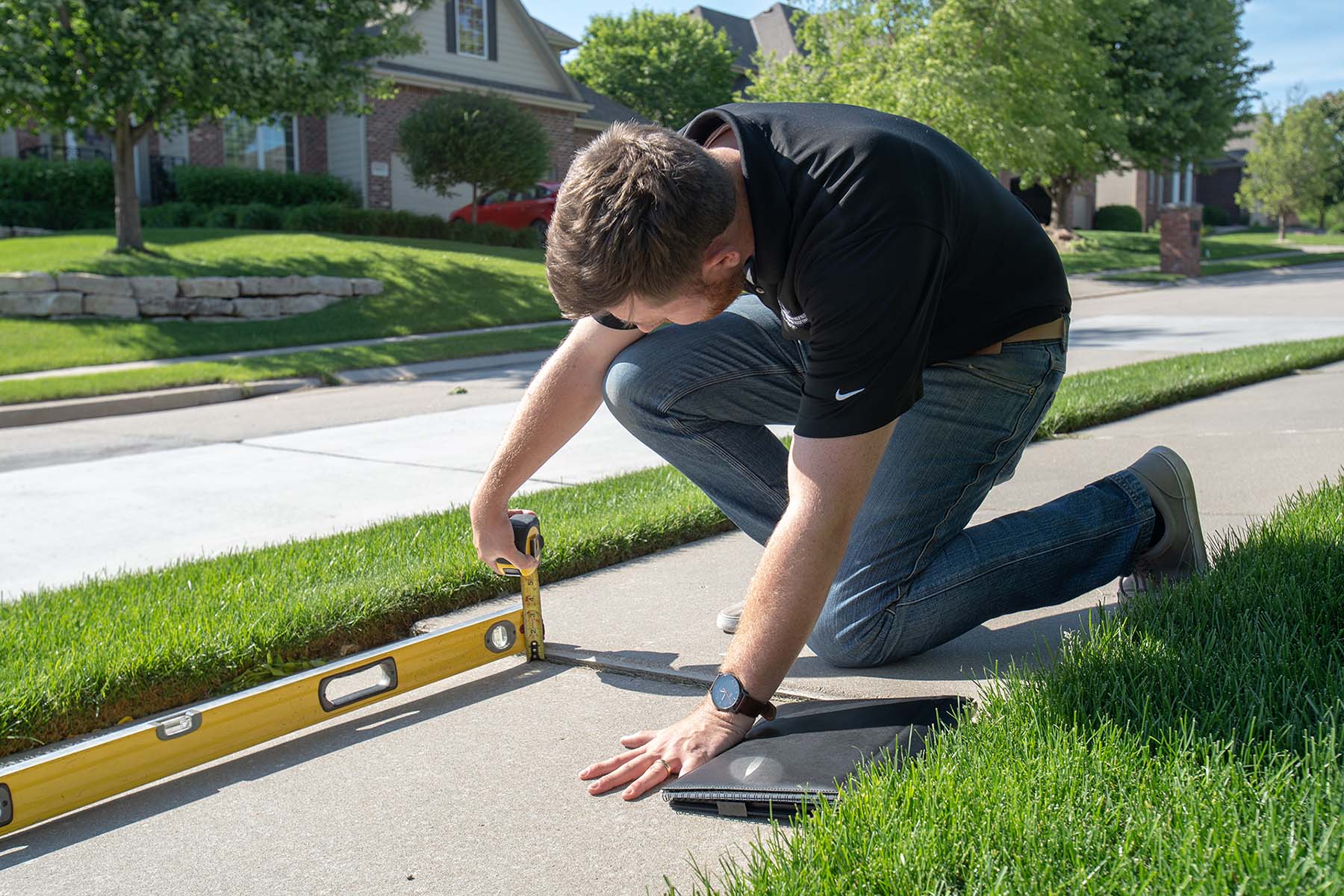
Sunken or raised sections along your driveway are the most obvious sign. You may also notice cracks running across slabs, gaps forming between your concrete and the garage floor, or sections of your sidewalk that rock underfoot. Pooling water is another red flag. When slabs tilt toward your home instead of away from it, water follows, and that drainage problem can create issues for your foundation over time.
The frustrating part is that most of this damage was not caused by anything you did wrong. It is simply what Iowa winters do to concrete that sits over soil that freezes, shifts, and thaws season after season.
When homeowners see sunken or cracked concrete, the instinct is often to assume it needs to be torn out and replaced. But in most cases, that is not true. If the slab itself is structurally sound, the real problem is the soil underneath it, and that is exactly what concrete leveling addresses.
Anchored Walls uses polyurethane foam lifting to raise sunken slabs back to their original position. A small hole is drilled into the affected slab, and a high-density foam is injected beneath it. The foam expands to fill voids, stabilize the soil, and lift the concrete back into place. The process takes a fraction of the time and cost of replacement, and the results are immediate.
It is also a smarter long-term investment. New concrete is just as vulnerable to Iowa's freeze-thaw cycles as the slab you already have. Leveling addresses the underlying soil problem rather than simply starting the clock over on the same issue.
Spring is the best time to address winter concrete damage, but the homeowners who get ahead of it are the ones who schedule early. Once the ground fully thaws and temperatures stabilize, Anchored Walls can assess the damage and get your concrete back where it belongs before the problem gets worse or creates a safety hazard on your property.
Sunken concrete does not stay in one place. Every rainfall that pools in a low spot, every vehicle that crosses an uneven driveway edge, and every summer heat cycle puts additional stress on slabs that are already compromised. What is a manageable fix in the spring can become a more involved repair by fall.
If you noticed new cracks, sinking, or uneven sections this winter, now is a good time to get it on your radar. Anchored Walls offers free estimates with no pressure, and our team can tell you quickly whether leveling is the right approach for your situation.
Concrete damage from an Iowa winter rarely fixes itself. The voids left behind by shifting soil stay empty, slabs continue to settle, and the cracks that started small get wider with every freeze-thaw cycle that follows.
The good news is that most winter concrete damage is very fixable, and the sooner it is addressed, the simpler and less expensive the repair tends to be. Anchored Walls has been helping Iowa and northern Missouri homeowners restore their concrete for over 40 years. We know what winter does to slabs in this part of the country, and we know how to fix it.
Schedule your free concrete leveling estimate today and go into spring with one less thing to worry about.


By submitting this form and signing up for texts, you consent to receive text messages from Anchored Walls at the number provided, including messages sent by auto dialer. These may include messages related to estimates, project updates, appointment scheduling, and promotional offers. Consent is not a condition of purchase. Msg & data rates may apply. Msg frequency varies. Unsubscribe at any time by replying STOP or clicking the unsubscribe link (where available) and no further messages will be sent. Reply HELP for help. Information will not be shared with third parties for marketing or promotional purposes. Privacy Policy

