Radon may be invisible, but your home could be showing warning signs. Foundation cracks, exposed crawl space soil, and unsealed gaps in the basement can all create entry points for radon to accumulate, especially in Iowa homes.


Radon gas is invisible, odorless, and naturally released from the soil beneath your home. While testing is the only way to confirm if it’s present, your home’s structure may be showing signs that it’s at risk. In Iowa, where radon levels are among the highest in the country, foundation cracks, open crawl spaces, and other common issues can provide direct pathways for radon to enter and accumulate indoors.
If your home has never been tested, or if you’ve noticed any of the issues below, it may be time to take a closer look at how radon could be entering your home.
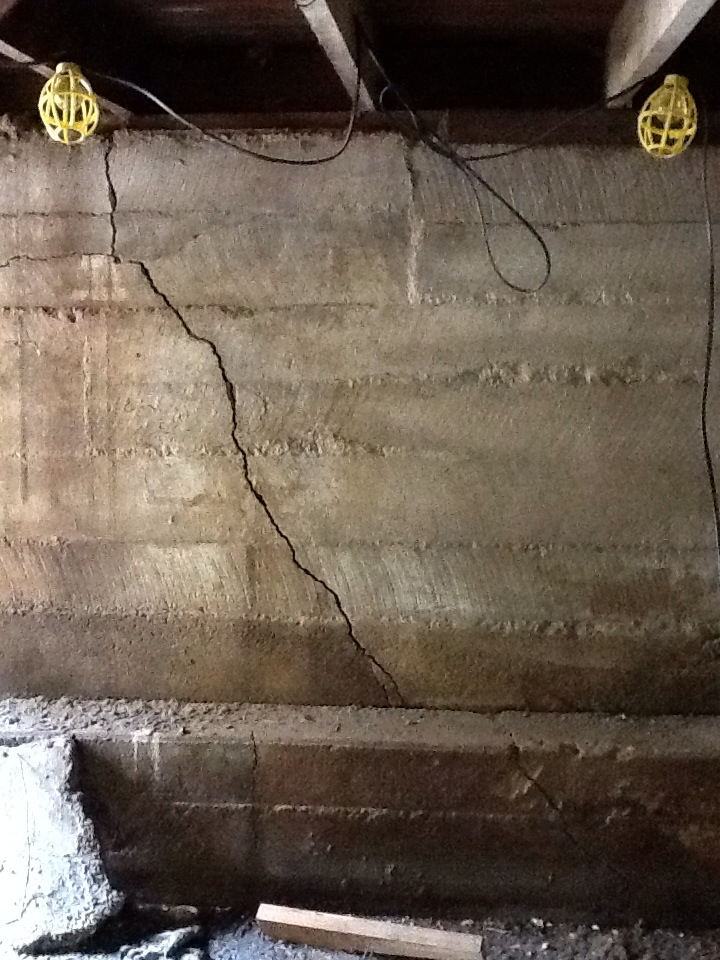
Cracks in concrete floors, block walls, or poured foundation walls are one of the most common ways radon enters a home. Even small hairline fractures can act as open channels for gas to move from the soil into your basement or crawl space. These cracks often form as homes settle over time, especially in regions with expansive or shifting soils like much of Iowa.
If you’ve noticed widening cracks, gaps at wall joints, or signs of movement in your foundation, it may be doing more than just affecting structural integrity; it could also be allowing radon to accumulate beneath your home.
Homes with unsealed crawl spaces or exposed soil are especially vulnerable to radon intrusion. Without a protective vapor barrier or encapsulation system, there’s nothing preventing radon from rising directly into the air beneath your home. Over time, this gas can build up and seep into your living space, especially in homes with poor ventilation.
If your crawl space has a dirt floor, visible moisture, or lacks any form of sealing, it may be one of the clearest entry points for radon gas.
Radon can also enter through gaps around plumbing, electrical lines, sump pump pits, and other utility penetrations in your foundation. These small openings may not seem significant, but they create direct access points for gas to rise from the soil into your basement or crawl space.
Homes with unfinished basements or older construction are more likely to have unsealed penetrations, especially if previous upgrades or repairs didn’t include proper sealing. If you see daylight around pipes or notice airflow through wall openings, your home may be more exposed to radon than you think.
Damp, musty basements are more than just a comfort issue; they can signal conditions that allow radon to build up. Excess humidity, condensation on windows, and lingering odors may point to poor air circulation, which traps gases like radon near the floor.
If water regularly seeps in after rain, or if your basement feels stuffy or stagnant, these conditions could be contributing to radon accumulation. In Iowa homes, where high radon levels are already common, inadequate ventilation can make the problem worse.
On their own, signs like wall cracks or crawl space humidity might not seem urgent. But in a state like Iowa, where radon is a known health risk, these structural conditions can quietly create the perfect environment for gas to accumulate. If your home has one or more of these issues, it may be increasing your family’s long-term exposure without you realizing it.
Addressing radon risks isn’t just about testing levels; it’s also about sealing off the points where gas can enter. Whether you’ve seen visible damage or just want peace of mind, taking a closer look at your foundation is a smart first step.
If you’ve noticed foundation cracks, crawl space humidity, or other structural concerns, your home could be at risk for radon exposure. Anchored Walls is a radon mitigation company with over 40 years of experience serving Iowa homeowners. As a local contractor, we know what to look for and how to seal off the entry points that allow radon to build up indoors.
Worried about the cost of mitigation? We’ll walk you through every option and provide honest, up-front pricing, no pressure, no surprises. If you’re searching for a radon contractor near you, we’re here to help.
By submitting this form and signing up for texts, you consent to receive text messages from Anchored Walls at the number provided, including messages sent by auto dialer. These may include messages related to estimates, project updates, appointment scheduling, and promotional offers. Consent is not a condition of purchase. Msg & data rates may apply. Msg frequency varies. Unsubscribe at any time by replying STOP or clicking the unsubscribe link (where available) and no further messages will be sent. Reply HELP for help. Information will not be shared with third parties for marketing or promotional purposes. Privacy Policy

