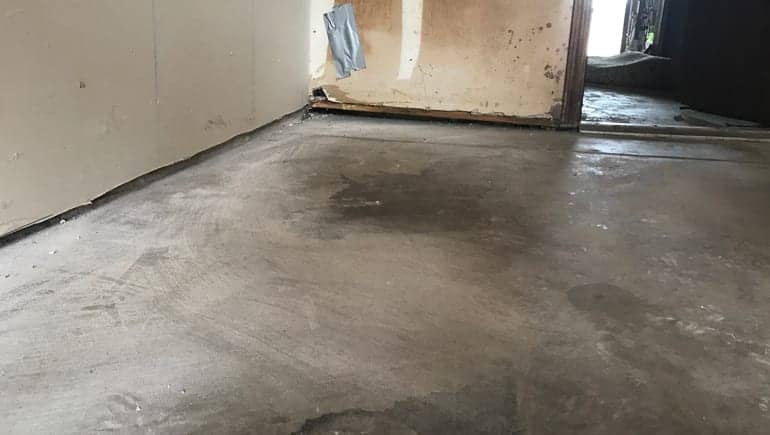
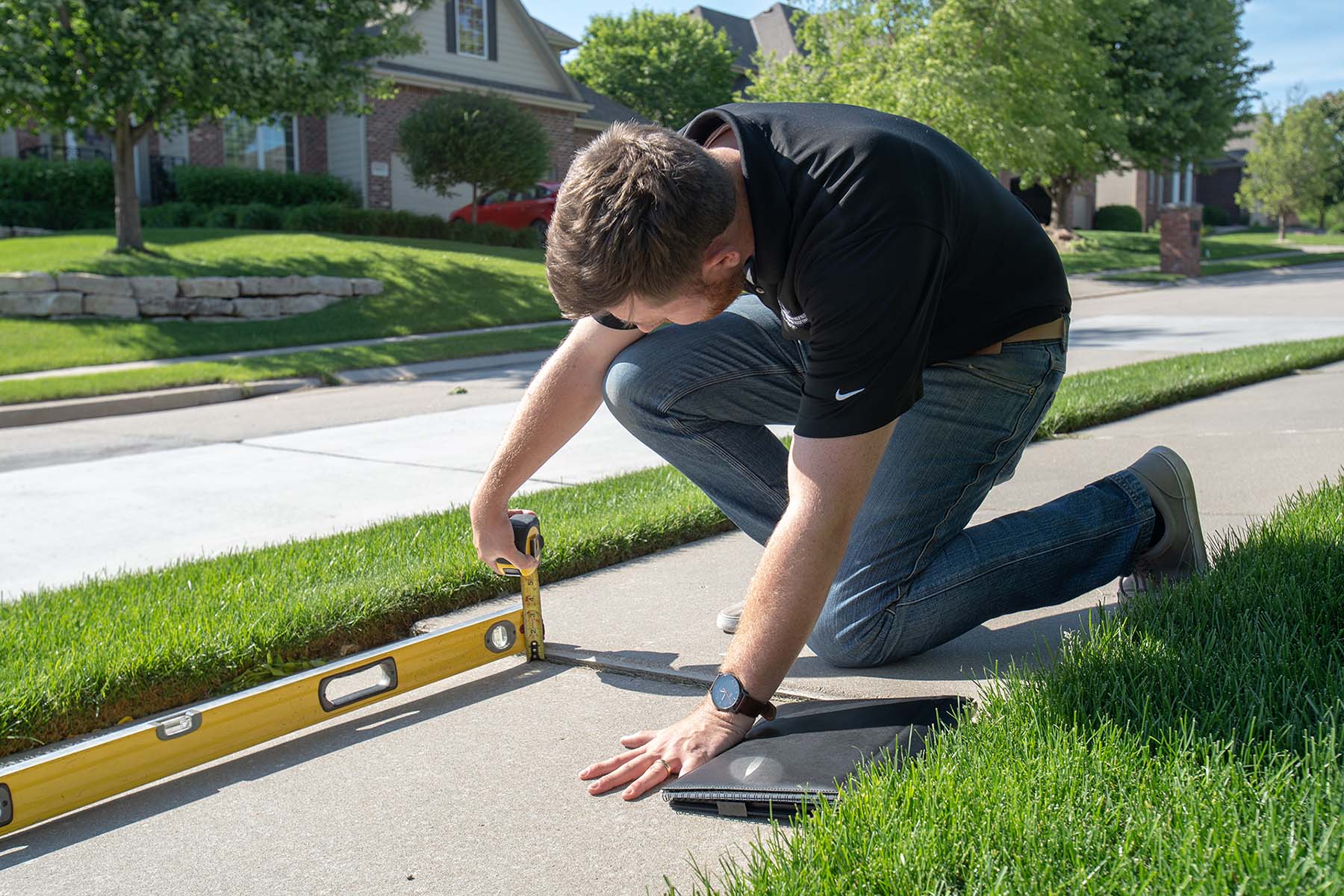
You caught your foot on the driveway edge this morning. The patio furniture has been wobbling for a week and you finally noticed the slab under it isn't level anymore. There's a seam on the front walk where one panel has risen above the other, and you've been stepping over it without thinking about it. These aren't new problems, but spring has a way of making them harder to ignore. The ground has been shifting under that concrete all winter, and what you're seeing now is where it ended up.
Concrete is durable. What gives out is the ground supporting it. Soil beneath a slab can compact over time, erode from water moving underneath, or wash out entirely in spots, leaving sections of the slab unsupported. When support becomes uneven, the slab follows. Parts of it drop while other sections stay put, and that's when you start seeing the gaps, the tilts, and the edges that catch your foot.
Poor drainage speeds this up. Water that pools near a slab or runs underneath it carries soil away gradually. Frost heave adds to it: frozen ground expands and pushes concrete up, then retreats when it thaws, and the slab doesn't always settle back to where it started. Over several winters, that repeated movement adds up.
Some of these you've probably already noticed and chalked up to normal wear. A few might be new since last fall, after the ground finished its last round of freezing and thawing. Taken individually, they're easy to write off. Together, they point to soil that has shifted and isn't coming back on its own:
If more than one of these sounds familiar, the concrete has likely been shifting for a while.
Replacing a sunken slab is disruptive and expensive. The old concrete gets broken up and hauled away, new material gets poured, and then you wait for it to cure. The surrounding area takes a beating in the process, and you're left with a section that doesn't match the rest of your concrete in color or texture.
Polyurethane foam lifting is a different approach. Small holes are drilled into the slab, and expanding foam is injected underneath. The foam fills voids, compacts loose soil, and lifts the slab back toward its original position. The holes are patched, and the work is done in hours rather than days. There's no curing time and no torn-up yard.
It works on driveways, sidewalks, patios, garage floors, and interior slabs. The material doesn't wash out or compress over time the way fill soil can, which is part of why the repair holds.
Anchored Walls has worked on concrete settling problems across the region since the late 1970s. The crews that do this work have seen what the Iowa and Missouri freeze-thaw cycle does to residential concrete, and they know how to assess whether a slab is a candidate for lifting or whether something else is going on beneath it. Every job comes with a free estimate. If your concrete has shifted over the winter, it won't level itself out.Schedule a free estimate and find out what it would take to fix it.


By submitting this form and signing up for texts, you consent to receive text messages from Anchored Walls at the number provided, including messages sent by auto dialer. These may include messages related to estimates, project updates, appointment scheduling, and promotional offers. Consent is not a condition of purchase. Msg & data rates may apply. Msg frequency varies. Unsubscribe at any time by replying STOP or clicking the unsubscribe link (where available) and no further messages will be sent. Reply HELP for help. Information will not be shared with third parties for marketing or promotional purposes. Privacy Policy

