If you’ve patched the same crack in your foundation wall more than once, you’re not alone. Many homeowners try to seal up small cracks only to see them reappear months or even weeks later. It’s frustrating, and it can feel like the house is working against you.
The truth is, recurring cracks are often a sign of a deeper problem that patching alone can’t solve. Let’s explore why these cracks keep recurring and how to determine when it’s time to consider a more comprehensive solution.
Foundation walls are constantly under pressure. Whether it’s from expanding soil, poor drainage, or freeze-thaw cycles, the forces acting on your basement walls don’t go away after a surface crack is filled.
If the underlying pressure isn’t addressed, the wall will continue to move, and that crack will reopen or form somewhere else nearby. In many cases, patching only covers the symptom, not the cause.
If you’re seeing any of the following, your foundation likely needs structural support, not just cosmetic repairs:
These are all signs that the foundation is moving, and no amount of patching will stop that.
When a foundation wall is bowing, settling, or shifting, it needs more than just surface-level repair. Structural stabilization is often the only way to stop the movement and prevent cracks from coming back. This is where solutions like wall anchors or helical tiebacks become essential. These systems are designed to address the source of the pressure by reinforcing the wall and restoring stability. Wall anchors can gradually pull the wall back toward its original position, while helical tiebacks provide lateral support to stop further inward movement. Once the foundation is stabilized, any existing cracks can be sealed properly, knowing they are no longer under stress from shifting or bowing.
It’s easy to put off foundation repairs when cracks seem small or harmless. But in many cases, the real damage is happening behind the scenes. A crack that reopens may be a sign of ongoing wall movement, and that movement can lead to much more serious problems over time.
When pressure from outside the foundation goes unaddressed, the damage can escalate quickly. Here’s what homeowners risk by waiting too long:
What starts as a hairline crack can grow into a costly repair. Acting early is the best way to protect your home and your budget.
If you’ve patched the same crack more than once, or if you’re noticing new cracks appearing, it’s time to get a professional evaluation. At Anchored Walls, we specialize in diagnosing and solving foundation wall problems at the source.
Our solutions are designed to last, not just to hide the symptoms.
As summer heat dries out Iowa’s clay-heavy soil, the ground around your foundation begins to contract. This shrinkage can create gaps between the soil and your foundation walls, putting stress on the structure and leading to cracking. Even small fissures can allow moisture to seep in, especially as fall storms arrive.
When left unchecked, these cracks may widen or deepen, eventually affecting the stability of your home. That’s why late summer is the best time to identify and repair the problem before rain and freezing temperatures exacerbate the issue.
Once autumn arrives, Iowa’s weather becomes wetter, and that spells trouble for untreated foundation cracks. Even small gaps in your foundation can allow rainwater to seep in, especially during heavy downpours. That water intrusion can lead to:
Additionally, as the soil rehydrates after a dry summer, it expands and begins pushing against your foundation walls. If those walls are already weakened by cracks, this pressure can worsen the damage, leading to bowed or buckling walls that require more extensive repair.
Winter brings freezing temperatures that can make existing foundation cracks far worse. If water has entered those cracks during the fall, it can freeze and expand once temperatures drop, widening the gaps and stressing your foundation further.
This can result in:
On top of that, frozen ground makes many repairs more difficult to complete, or even impossible, until spring. Acting now avoids winter delays and keeps your foundation protected through the harshest months of the year.
Summer offers the most favorable conditions to inspect and repair your foundation. The warm, dry weather creates a stable environment for crews to work efficiently and safely, with fewer delays due to rain or frozen ground. Cracks are easier to spot, and soil movement is more predictable, making it the ideal time to address structural issues before they grow.
Foundation repair in summer also gives you time to plan and budget without the pressure of an active leak or emergency. With more daylight hours and flexible scheduling, homeowners can complete the project on their terms, rather than reacting to sudden damage later in the year.
If you're considering repairs, taking action in summer gives you peace of mind heading into fall and winter. You’ll know your home is protected, and you’ll avoid the seasonal rush when contractors’ schedules fill up fast.
If you’ve noticed cracks in your foundation or walls, don’t wait for the weather to turn. Anchored Walls has been serving Iowa homeowners for over 40 years with trusted solutions that last.
Call today to schedule your free inspection and get expert advice from a local foundation repair company you can count on.
You head down to your basement and notice a crack in the foundation wall. Is it a sign of serious trouble—or just a cosmetic flaw? The truth is, not all foundation cracks are created equal. Some are normal and harmless. Others? Not so much.
Understanding what different foundation cracks mean can help you protect your home and avoid costly repairs. In this guide, we’ll break down the 8 most common types of foundation cracks, what causes them, and when you should call a professional.
These are thin, narrow cracks (usually vertical) commonly found in newer homes. They’re often caused by concrete shrinkage as it cures or natural settling.
What They Mean:
Generally not a cause for concern unless they’re letting in water.
What To Do:
Monitor for any spreading or water intrusion. If water is seeping through, seal the crack or consult a foundation specialist.
Wider than hairline cracks, these run up and down or slightly diagonal. Often caused by the natural settling of your home.
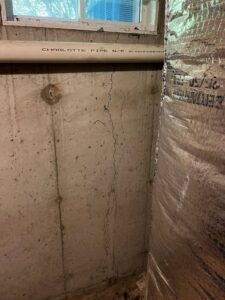
What They Mean:
Typically not structural—but they can be an entry point for water.
What To Do:
Watch for moisture. Dry cracks can be monitored, but wet cracks should be sealed with professional-grade materials to prevent water damage.
These run side-to-side along the wall and are usually the result of pressure from outside soil pushing against the foundation.
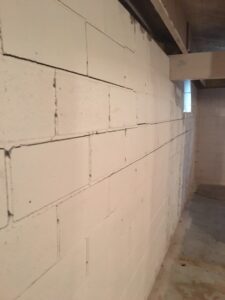
What They Mean:
Potentially serious. These often signal that the wall is bowing inward.
What To Do:
Call a structural engineer or basement repair professional immediately. Reinforcement solutions like wall anchors or braces may be necessary.
These run at an angle (often 30–75 degrees) and are caused by uneven foundation settling—also known as differential settlement.
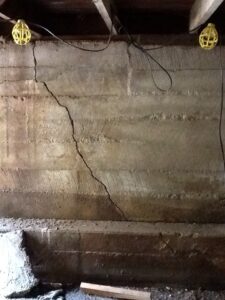
What They Mean:
May indicate serious structural movement.
What To Do:
Contact a foundation expert right away. Underpinning or other stabilization methods might be required to prevent further shifting.
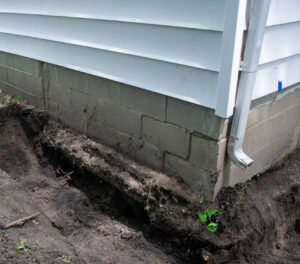
Found in concrete block foundations, these follow the mortar joints in a step-like pattern.
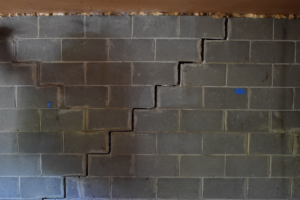
What They Mean:
Could indicate settlement or water-related issues on the outside of the foundation.
What To Do:
Have them inspected. Solutions may include reinforcement or foundation piers to prevent further movement.
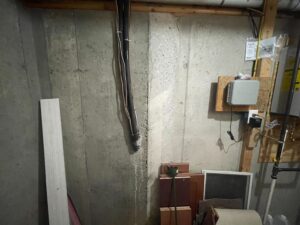
Common in new homes, these vertical cracks form when poured concrete dries and contracts.
What They Mean:
Usually cosmetic—unless they start leaking.
What To Do:
Seal them to prevent water entry. If they grow or spread, it’s time to have them checked.
These occur when concrete expands and doesn’t have enough room to move due to missing or inadequate expansion joints.
What They Mean:
A sign that pressure is building up—leading to cracking and water risks.
What To Do:
Have expansion joints installed and cracks professionally sealed to avoid further damage.
A broad category caused by the normal “settling” of your home’s foundation over time. They vary in size, shape, and severity.
What They Mean:
Some are harmless, others may point to deeper problems.
What To Do:
Keep an eye on all cracks. If you notice widening, water leaks, or a sudden appearance of multiple cracks, call a professional.
If you're unsure whether a crack is serious, it’s better to be safe than sorry. A trained professional can evaluate the cause and offer repair solutions that protect your home and investment.
At Anchored Walls, we’ve seen it all—from small cosmetic cracks to serious foundation shifts. If you’re concerned about cracks in your basement walls, don’t wait. Reach out today for a free inspection and expert advice.


By submitting this form and signing up for texts, you consent to receive text messages from Anchored Walls at the number provided, including messages sent by auto dialer. These may include messages related to estimates, project updates, appointment scheduling, and promotional offers. Consent is not a condition of purchase. Msg & data rates may apply. Msg frequency varies. Unsubscribe at any time by replying STOP or clicking the unsubscribe link (where available) and no further messages will be sent. Reply HELP for help. Information will not be shared with third parties for marketing or promotional purposes. Privacy Policy

