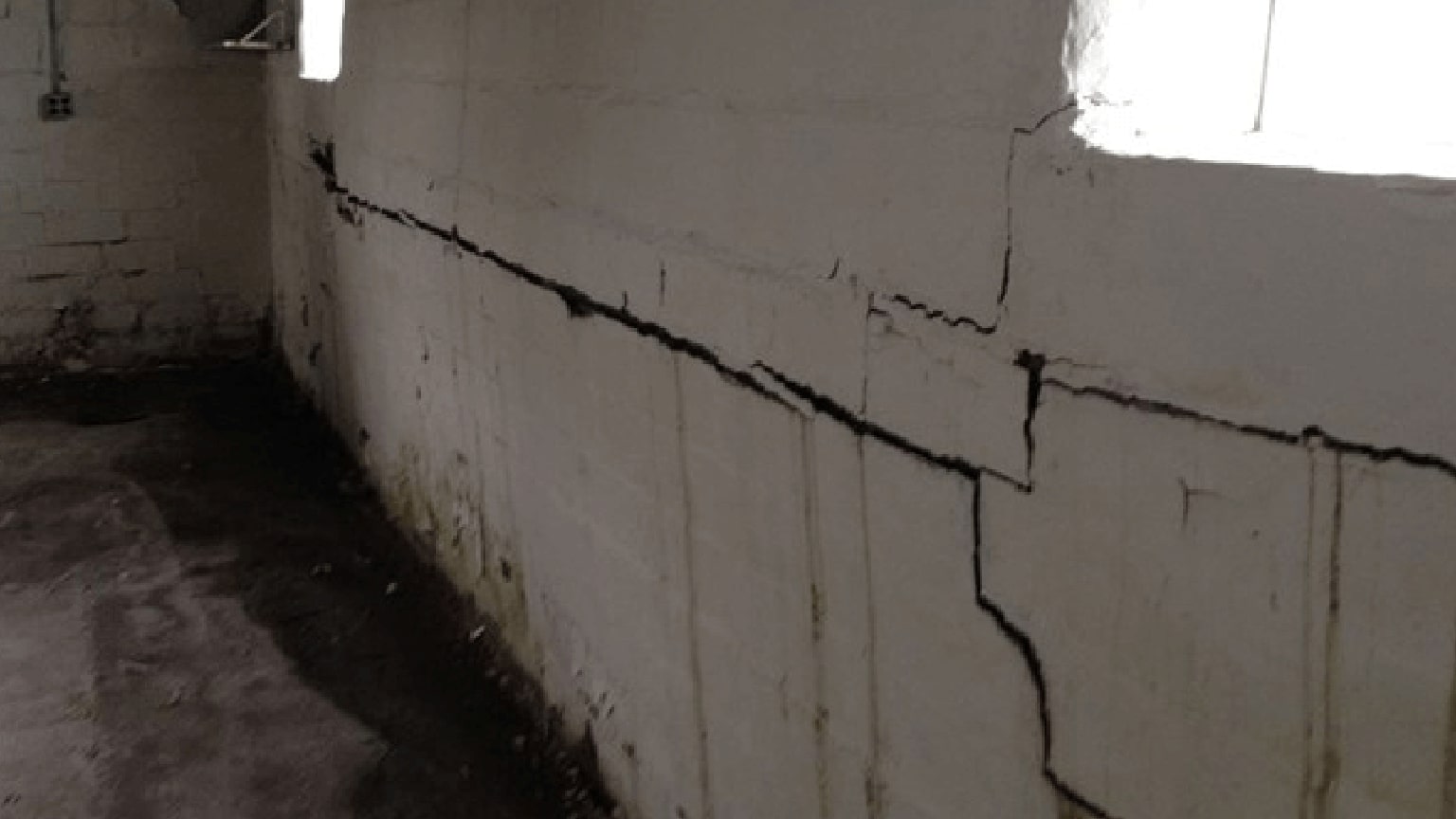
If you've noticed a wall in your basement doesn't look quite straight anymore, it's natural to wonder how serious that actually is. A bowing wall is one of the more unsettling things a homeowner can find, mostly because it's hard to know from a glance whether it's an emergency or something that can wait. Anchored Walls has answered these same questions for homeowners across Iowa and Northern Missouri for decades.
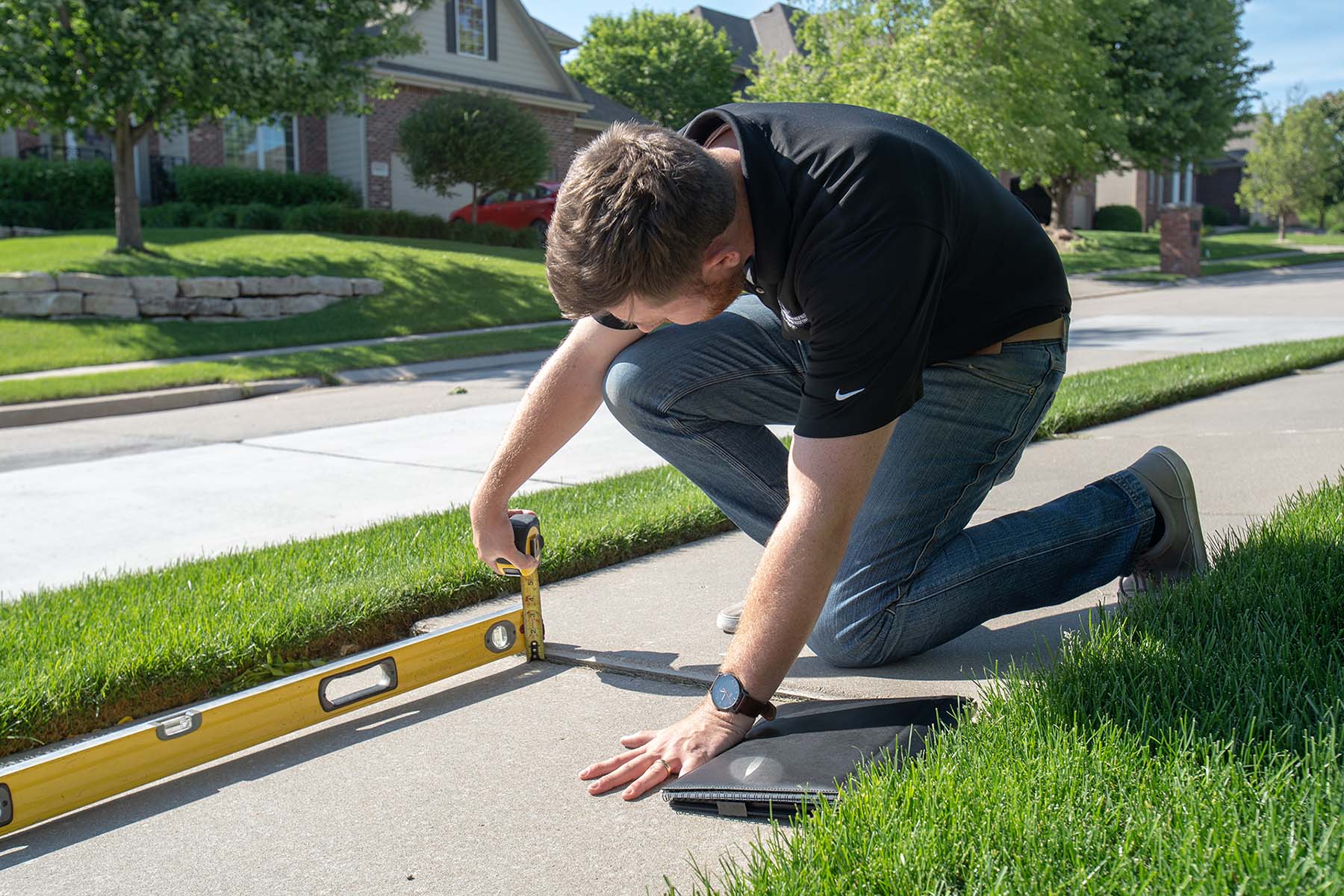
A bowing wall curves inward, usually most noticeable at the mid-height of the wall rather than at the top or bottom. Standing at one end of the basement and sighting down the length of the wall, or holding a level flat against it, will usually show the curve even when it's too subtle to notice at a glance.
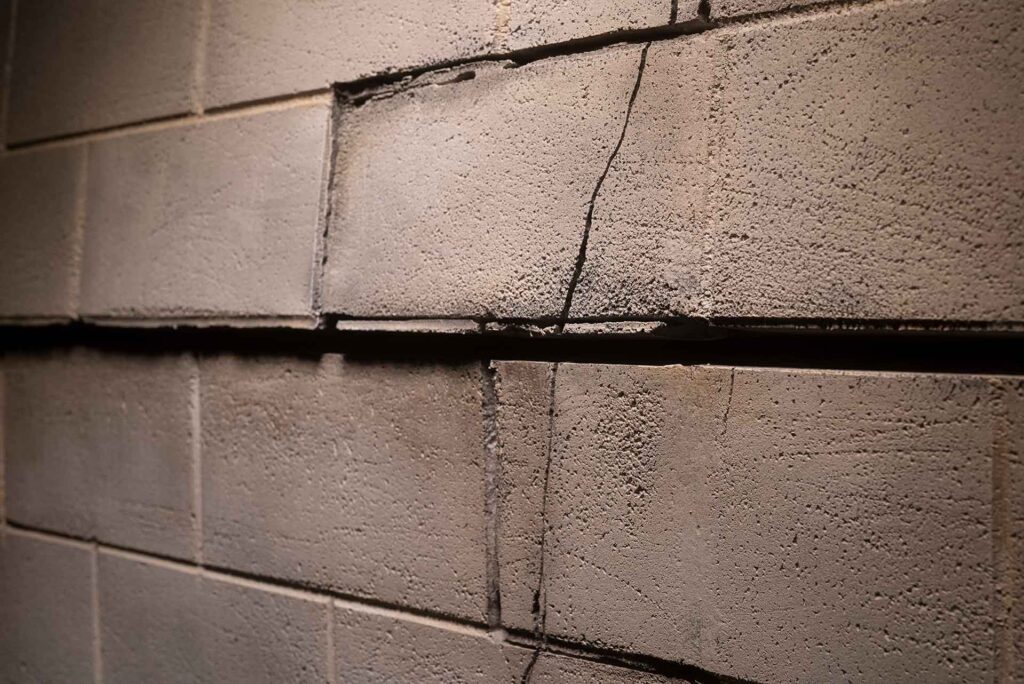
Warped drywall is a different problem. Drywall reacts to moisture and humidity, and can bubble or warp without any movement in the concrete or block wall behind it. A tilting floor points somewhere else too, usually toward a settling foundation rather than a wall under lateral pressure. The signs that actually point to a bowing wall are horizontal cracks running across the block or concrete, a stair-step crack pattern following the mortar joints, or a section of wall that visibly protrudes further into the basement than the wall around it.
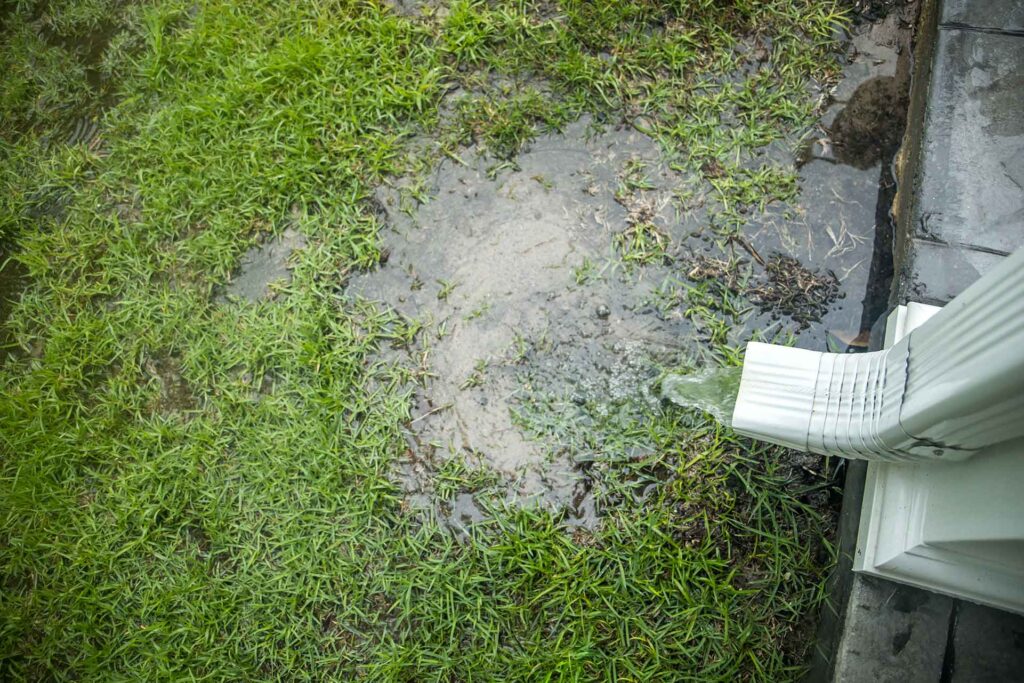
Water is almost always the root cause. When drainage around a home isn't directing water away properly, or the ground is graded so it collects near the foundation instead of running off, the soil against the basement wall stays saturated. Saturated soil expands, and that expansion pushes laterally against the wall with a force it wasn't built to resist. In Iowa and Northern Missouri, clay-heavy soil makes this worse than it would be elsewhere, since clay expands and contracts more dramatically with moisture than sandier soil does. Freeze and thaw cycles add another layer of pressure each winter, as water trapped in the soil freezes, expands, and pushes against the wall before thawing again.
Yes, in most cases. The soil pressure causing the wall to bow doesn't let up on its own, and each wet season adds more of the same force that started the problem. A wall with a slight bow today can develop new cracks, additional inward movement, or shearing along the mortar joints over the following months and years. How quickly that happens depends on the soil conditions, drainage around your home, and how much the wall has already moved. A wall bowing less than two inches has more repair options available than one that's moved further, so getting it evaluated earlier keeps more solutions on the table.
A bowing wall means your foundation is under real pressure, but that pressure shows up in a wide range of severity, from a slight curve to a wall that's shifted significantly. Whether a specific wall is an immediate concern or something to address on a normal repair timeline depends on how far it's moved and what's driving it, which isn't something to guess at from how alarming it looks. A professional inspection is the only reliable way to know where a specific wall stands and what timeline makes sense for fixing it.
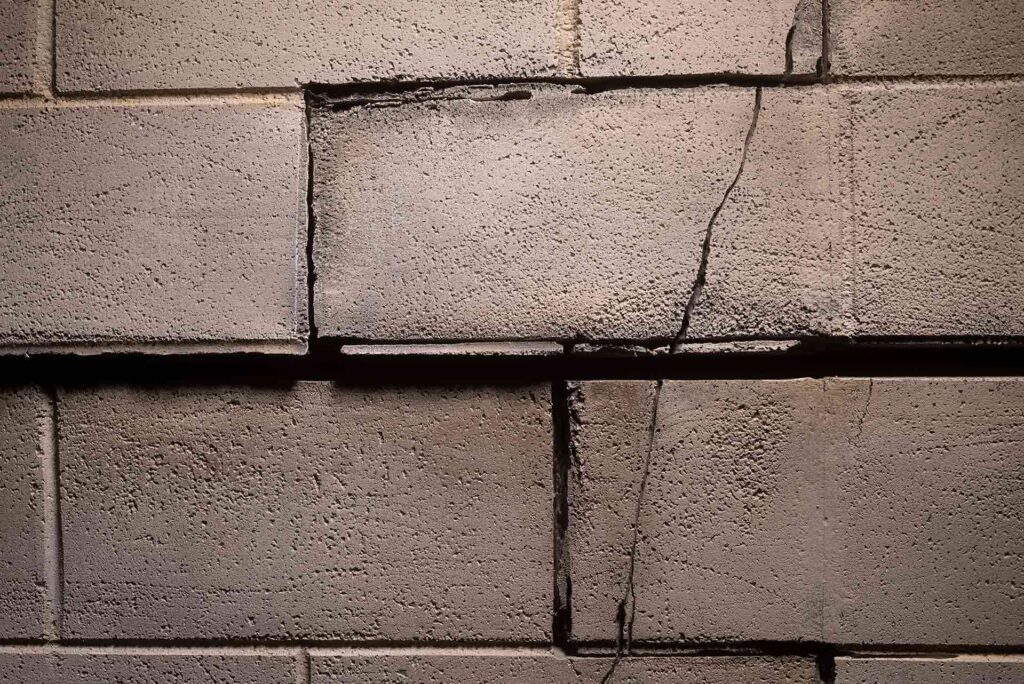
An unrepaired bowing wall can work against you when it's time to sell. It's the kind of issue that shows up in a home inspection and can lower a buyer's confidence in the property, even if the rest of the house is in good shape. Appraisers and buyers alike tend to view visible foundation movement as a red flag, which can affect both the sale price and how quickly a home moves. A wall that's been professionally repaired removes that question mark, giving a buyer or appraiser documentation that the issue was addressed rather than something they're inheriting.
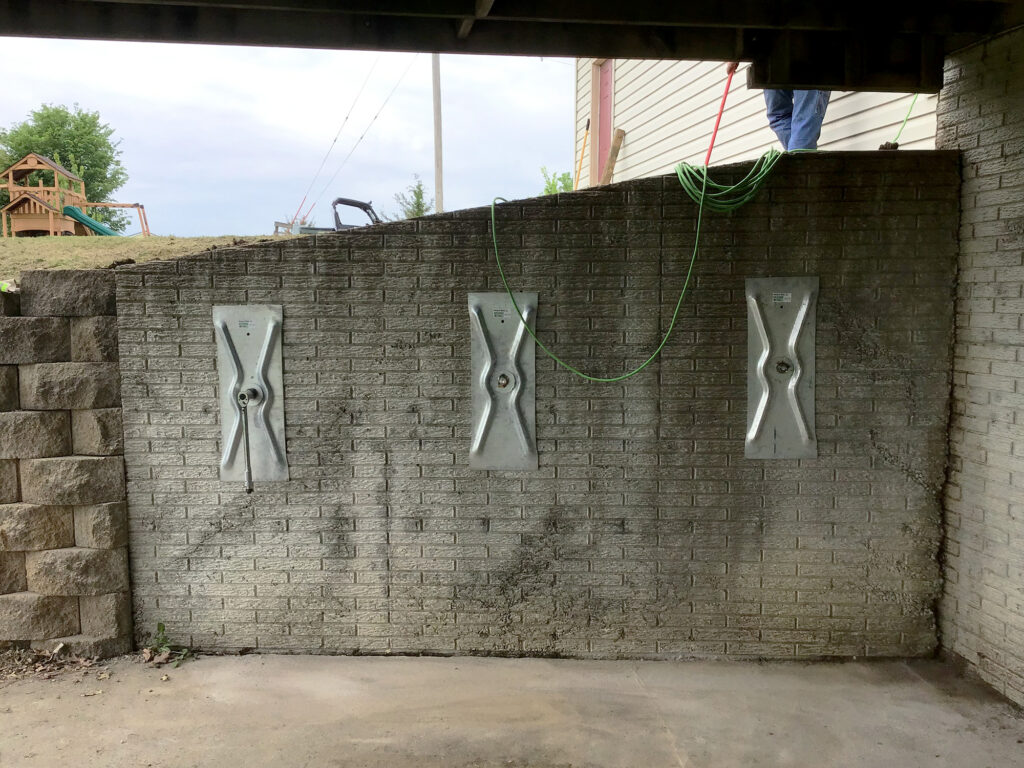
A wall anchor system works by connecting your basement wall to soil that's stable enough to hold it in place. An anchor is set in the ground outside, away from the wall and past the point where the saturated soil is causing pressure, then connected through the wall to a plate mounted on the interior. That connection lets the anchor counteract the pressure pushing the wall inward, stopping further movement right away. From there, the system can be tightened gradually during dry weather, when the soil isn't pushing back as hard, slowly pulling the wall back toward its original position over time rather than all at once. The hardware is designed to prevent overtightening, so the wall is corrected at a pace it can actually handle without new stress or cracking.
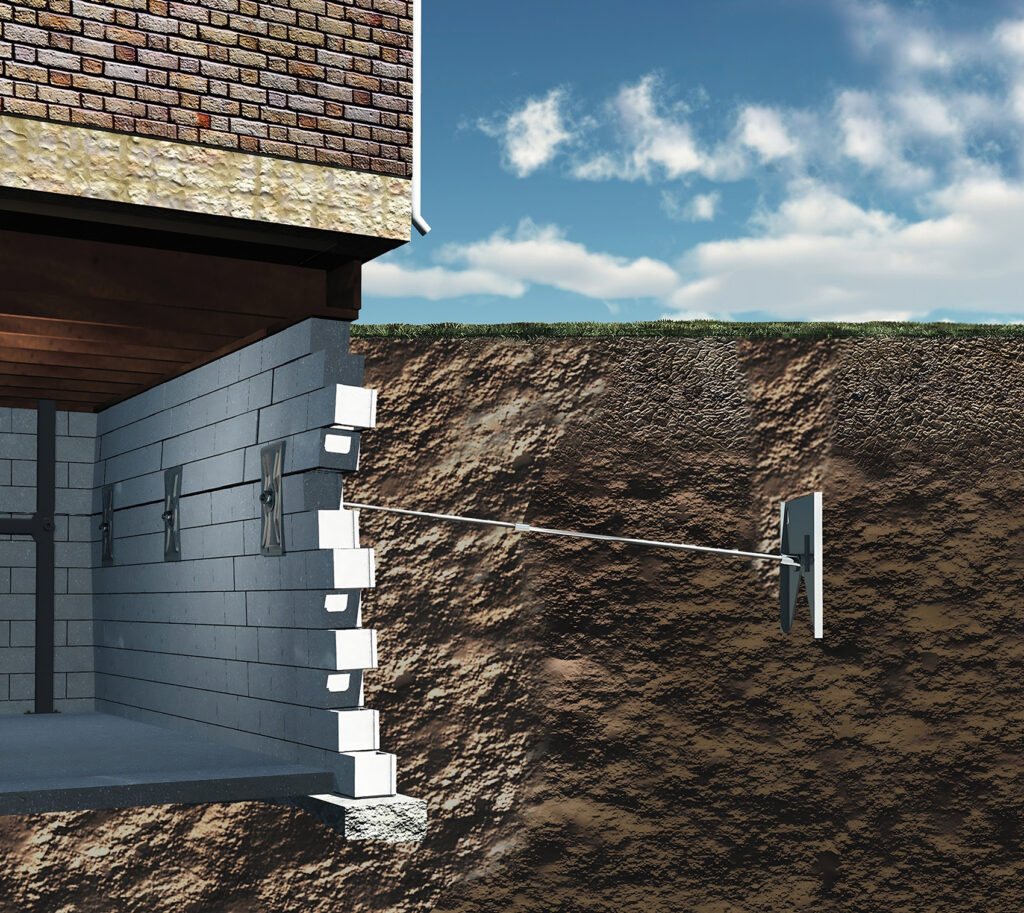
Stopping a bowing wall requires understanding how much force the soil is exerting and matching that with a system built to counteract it, which isn't something a homeowner can measure or install with off-the-shelf materials. Temporary fixes like bracing a wall with wood studs might slow visible movement, but they don't address the soil pressure causing the problem, and an improperly installed system can add stress to a wall that's already compromised. The systems that actually stop and correct bowing, like anchors and steel beams, rely on engineering specific to the wall and the soil conditions around it, along with hardware designed to apply the right amount of force without overcorrecting.
A bowing wall should be repaired by a contractor who specializes in foundation and structural repair, not a general contractor or handyman. Anchored Walls has repaired bowing walls across Iowa and Northern Missouri since 1978, using systems engineered specifically for the pressure and soil conditions in this region. Every repair starts with an inspection to determine what's actually driving the movement, so the fix matches the specific wall rather than a generic solution.
A bowing wall only gets harder to fix the longer it's left alone. Schedule a free inspection with Anchored Walls to find out what's causing the movement and which repair fits your home.


By submitting this form and signing up for texts, you consent to receive text messages from Anchored Walls at the number provided, including messages sent by auto dialer. These may include messages related to estimates, project updates, appointment scheduling, and promotional offers. Consent is not a condition of purchase. Msg & data rates may apply. Msg frequency varies. Unsubscribe at any time by replying STOP or clicking the unsubscribe link (where available) and no further messages will be sent. Reply HELP for help. Information will not be shared with third parties for marketing or promotional purposes. Privacy Policy

